
There are several places and issues that arise in the book that you may wish to learn a bit more about. That’s the purpose of this page. I hope you find it useful.

Can you guess where this photo was taken? I’ll give you a hint: Go Duke!
(Click the image to visit the website.)
You might also want to check out one of my favorite websites, the Duke Basketball Report.
Porters’ pub is one of my happy places. I go there to learn by listening, participating, and to sip a pint of Guinness.
(Click on the image to visit Porters’ website.)


The image above is the first slide from my last lecture. Note the drastic effect of teaching on one’s hairline. Also note that in 1985 I was a dog guy, since I hadn’t yet met Lisa and Bella.

A copy of the handwritten note I received from President Art Heyman (retired Duke Basketball #25). It’s a great example of one common way his generation made contributions to emotional bank accounts. He also taught me the value of learning a person’s name the first time you met them.
The citation for the award President Heyman was referencing above (1998).


This is a photo of one of my first undergraduate research students working with me in our lab in the early 1990s. He is the one who taught me that I could view my scholarship as a subset of my teaching, one of the most important lessons of my career.
Another area of overlap between my teaching and scholarship was textbook writing, an activity I very much enjoyed. The materials text was far more successful than the fluids book. It took me a while to learn the importance of staying in my own lane.

As those of you who have read the book know, Break Stuff Day was the best day of the year. Unfortunately, during the COVID-19 pandemic, all Lafayette students were sent home and classes were conducted virtually. This PowerPoint Presentation was my attempt to recreate the magic of Break Stuff Day for students trapped in their parents’ basements. Did you notice the use of the Universal Glass Rod Breaking Hold?
Here are some additional links that relate to other topics in the book:
- Jan van Eyck’s Arnolfini Portrait
- An animation of a dislocation (bump in a rug) moving through a crystal
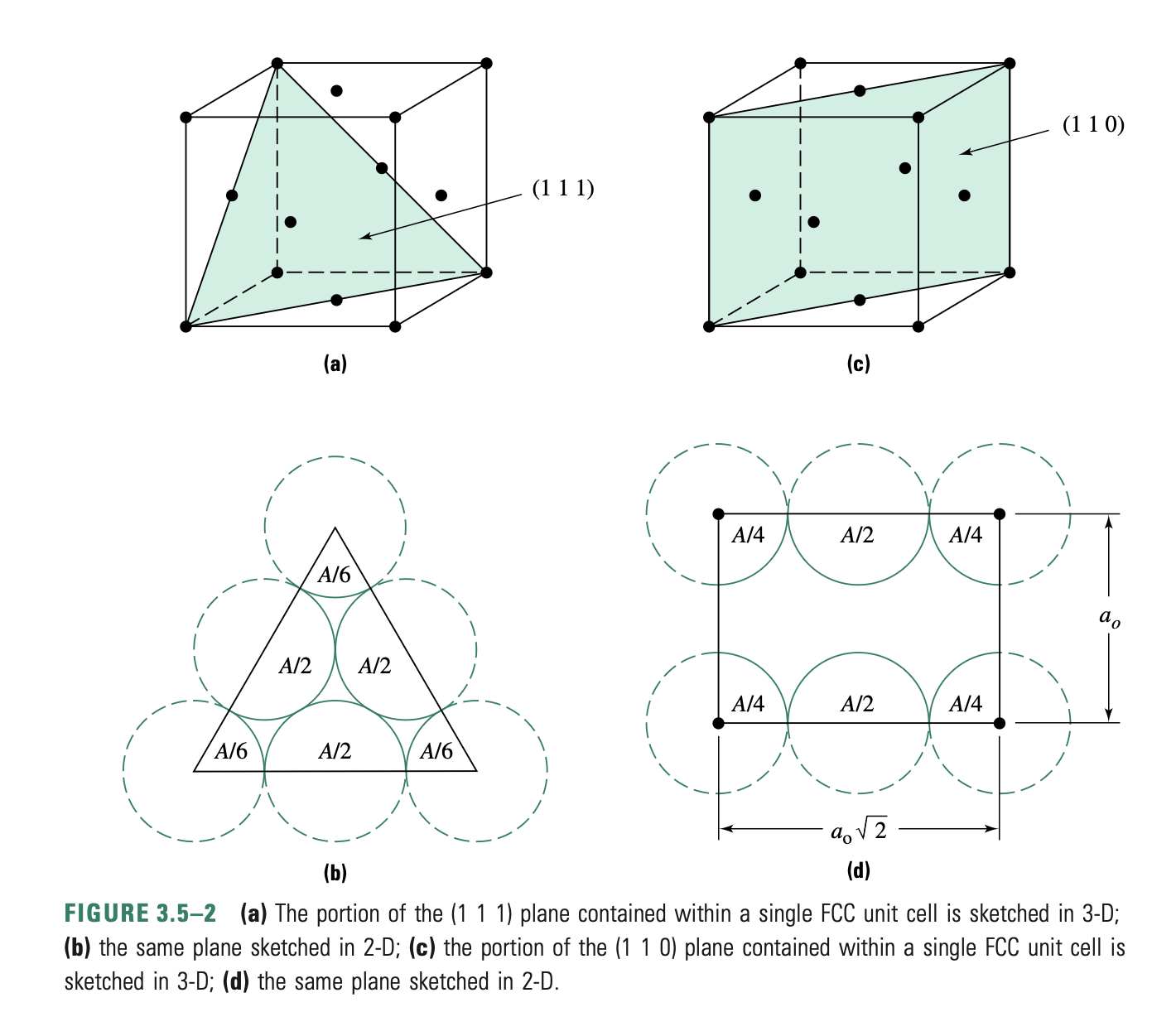
- Images of different planes in a metal crystal
- A brief comparison of Utilitarianism and Deontology
- Our Flat Plate Neon Sign Patent
Screening Quiz
Regardless of which quiz is right for you, the directions are the same: Please determine if the following false questions are true or false. Once you have determined that they are false, please explain why they are false. [Hint: None are true.] These are the same directions my students encountered on the T/F section of their first exam. The impeccable logic behind these always false true/false questions, used for different reasons during lecture and on exams, is clearly explained in chapter 1 of the book.
Quiz 1
Quiz 2